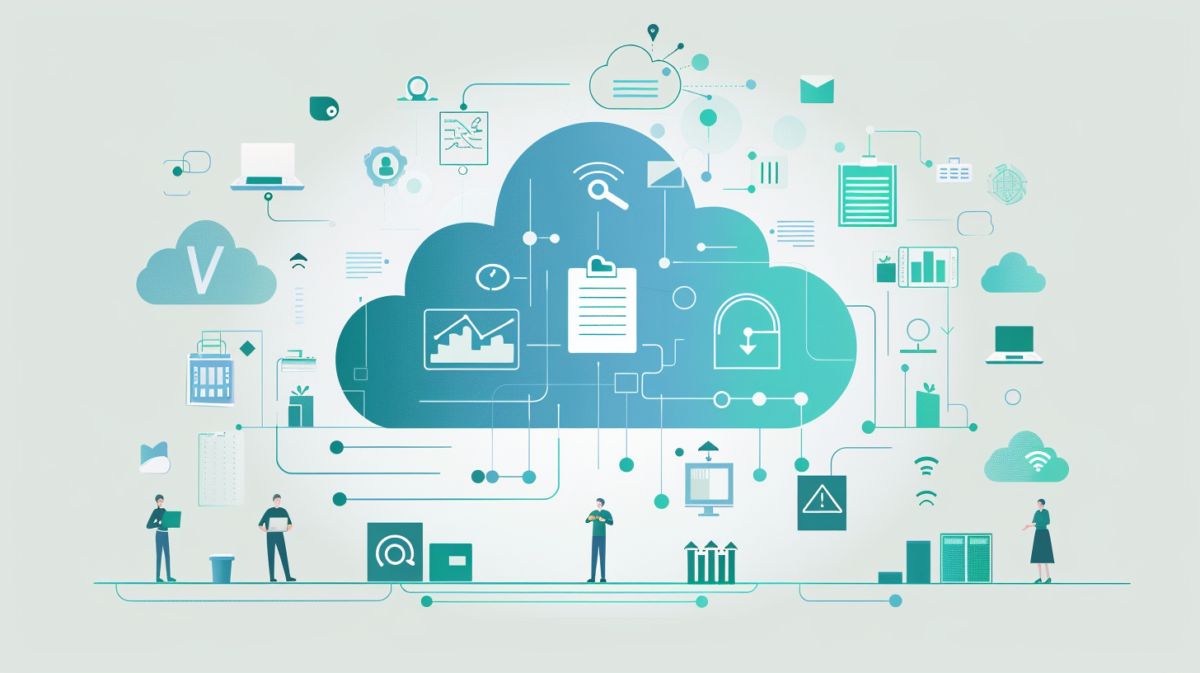
Cloud solutions have become an integral part of modern business. Regardless of the size of the company, businesses in all sectors are increasingly turning to cloud technologies instead of traditional IT infrastructure. But why is this the case? What advantages do cloud solutions offer that make them such an essential tool for business? In this article, we’ll explore the main reasons why your business should move to cloud solutions.
1. Cost Savings
One of the biggest advantages of cloud solutions is the reduction in IT infrastructure costs. Traditional servers, storage devices, and other resources can be very expensive to maintain and upgrade. Cloud solutions eliminate the need for costly physical servers, their maintenance, upgrades, and scaling. You pay only for the resources you use, and you can easily scale your infrastructure according to business needs.
2. Scalability and Flexibility
Cloud solutions allow businesses to easily adapt to changes. With traditional infrastructure, you may need additional equipment or time to expand your business. However, the cloud provides instant scalability—you can quickly increase or decrease the resources you use depending on your business needs, whether it's traffic, data processing, or storage.
3. Security and Reliability
Cloud providers place a huge emphasis on data security. They protect against cyber threats, offer data backups, and provide automated security updates. Your data is stored on multiple remote servers, reducing the risk of loss or damage in the event of disasters. Multi-layered protection, including data encryption and access control, ensures the security of your information even when accessed remotely.
4. Simplified IT Infrastructure Management
With traditional IT infrastructure, you either need in-house IT staff or hire external vendors to manage servers and other resources. Moving to cloud solutions simplifies this process significantly, as most infrastructure management tasks are handled automatically by the cloud provider. This allows you to focus on core business processes without being distracted by the technical aspects of server maintenance.
5. Access from Anywhere
One of the main advantages of cloud technologies is the ability to access data from anywhere in the world. This is particularly relevant in the era of remote work and hybrid employment models. Your employees can access important information and applications from any device, as long as they have internet access. This significantly increases productivity and enables businesses to respond quickly to changes.
6. Enhanced Team Collaboration
Cloud solutions provide better collaboration between employees through tools like file sharing, online document editing, and other platforms for teamwork. This allows your teams to work together more effectively, whether they are in the office, working from home, or traveling.
7. Integration with Other Tools
Many cloud platforms allow seamless integration with other business tools such as CRM systems, marketing platforms, accounting software, and more. This enables the automation of business processes, reducing the need for manual work and improving your company's overall productivity.
8. Business Continuity
Whether it's a natural disaster, technical issues, or human error, cloud solutions provide business continuity. Thanks to backups and data recovery capabilities, businesses can quickly recover from incidents and continue operating without significant delays or losses.
Transitioning to cloud solutions is a crucial step for modern businesses. Not only does it provide cost savings and flexibility, but it also enhances data security, simplifies IT infrastructure management, and ensures business process continuity. In today’s fast-changing environment, where businesses need to adapt quickly, cloud solutions are the best tool for improving efficiency and maintaining competitiveness.

Comments(0)
No comments yet — be the first.
Comments are moderated before they appear.
No comments yet — be the first.